


-

Add: HeBei ShengShi HongBang Cellulose Technology CO.,LTD.
-

Email
13180486930@163.com -

CONTACT US
+86 13180486930
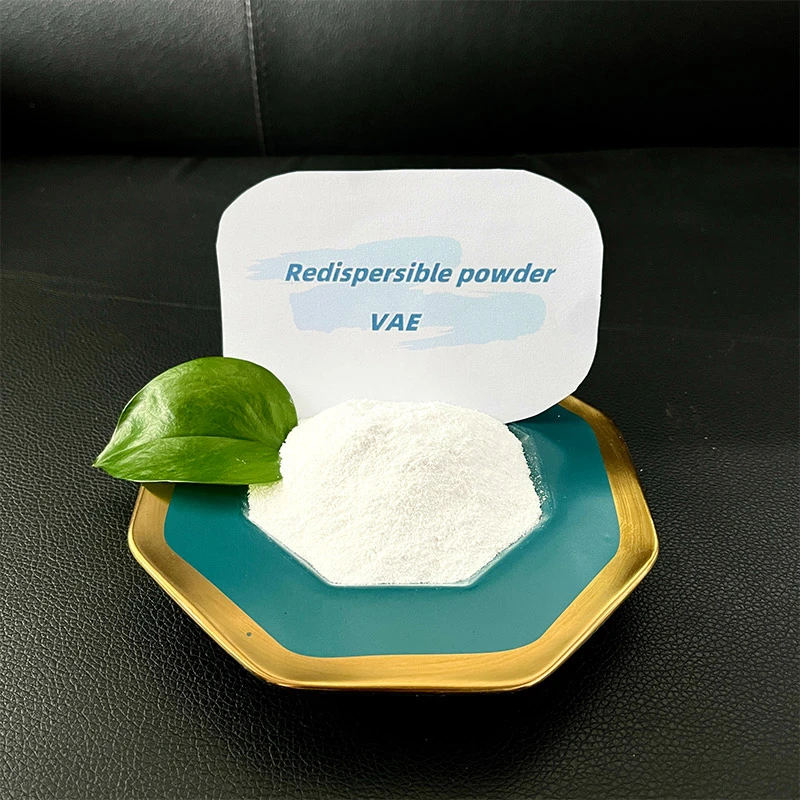
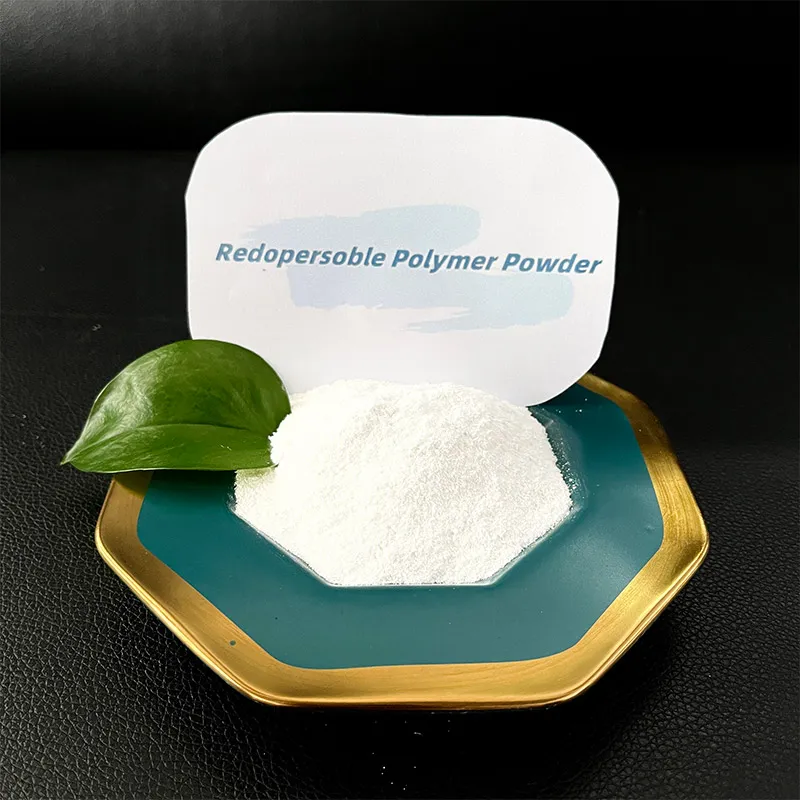
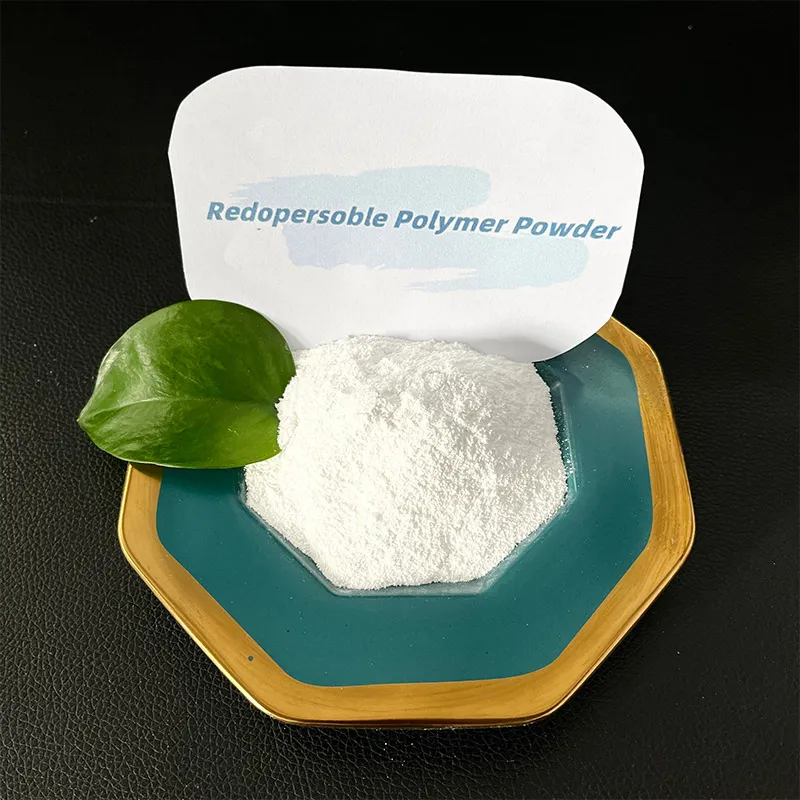



Polimer Un Taği Zamonaviy Texnologiyalar va Qishloq Xo‘jaligida Qo‘llanilishi Polimer un taği, zamonaviy materiallar muhitida muhim o‘rin tutadi. U polimerlarning mikroskopik qismlaridan tashkil topgan bo‘lib, ko‘plab sohalarda qo‘llaniladi, ayniqsa qishloq xo‘jaligida. Ushbu maqolada polimer un tağinin nimadan iboratligi, uning xususiyatlari va afzalliklari haqida so‘z yuritamiz. Polimer un taği, asosan, plastik materiallardan yaratiladi. Un taği sifatida qo‘llanilishidan maqsad, qishloq xo‘jaligida tuproqni yaxshilash, o‘simliklarni himoya qilish va yig‘im-terim jarayonlarini soddalashtirishdir. Bu materiallar nafaqat o‘simliklar uchun ozuqa manbai bo‘lib xizmat qiladi, balki tuproqning fizik va kimyoviy xususiyatlarini ham yaxshilaydi. . Bundan tashqari, polimer un taği tuproqni mahkamlaydi va uning strukturaviy yaxlitligini ta’minlaydi. Bu, o‘simliklarning ildiz tizimining yanada yaxshi rivojlanishiga yordam beradi. Tuproqning tuzilishi yaxshi bera olishi va havo almashinuvi yaxshi bo‘lishi natijasida, o‘simliklar sog‘lom va kuchli bo‘lib o‘sadi. полимер ұнтағы Polimer un taği, shuningdek, tuproqning kimyoviy xususiyatlarini yaxshilashda ham muhim rol o‘ynaydi. U tuproqdagi minerallarni va boshqa oziq moddalarni eng qiyin sharoitlarda ham saqlab qolish imkonini beradi. Natijada, o‘simliklar uchun zarur bo‘lgan ozuqa moddalarining samarali singishi ta’minlanadi. Qishloq xo‘jaligi sohasida polimer un tağini qo‘llash nafaqat o‘simliklarning samarali o‘sishini ta’minlaydi, balki bu jarayonni iqtisodiy jihatdan ham foydali qiladi. O‘simliklar yuqori hosil berishiga olib kelishi, fermerlar uchun moliyaviy jihatdan foydali bo‘ladi. Shuningdek, bu usul qishloq xo‘jaligida resurslarni tejashga yordam beradi, chunki suv va yeyish quvvatlari ancha samarali ishlatiladi. Shuni ta’kidlash kerakki, polimer un tağinin iste'moli va ishlatilishi ekologik jihatdan ham xavfsizdir. Tobora ko‘proq fermerlar va agronomlar bu materialni tanlaydilar, chunki u tuproqning ekotizimini buzmaydi va tabiatga zarar yetkazmaydi. Demak, polimer un taği nafaqat odamlar uchun, balki atrof-muhit uchun ham foydali materialdir. Xulosa qilib aytganda, polimer un taği zamonaviy qishloq xo‘jaligida juda muhim va foydali materialdir. Uning suvni ushlab turish, tuproqni yaxshilash va o‘simliklar hosilini oshirishdagi o‘rni har bir fermer va agronom uchun ahamiyatlidir. Polimer un tağini qo‘llash orqali qishloq xo‘jaligida samaradorlikni oshirish, istiqbolli kelajakni yaratish mumkin.
- 40000tons

Production
- 20+years

Experience
- 5000+㎡

Acreage

-
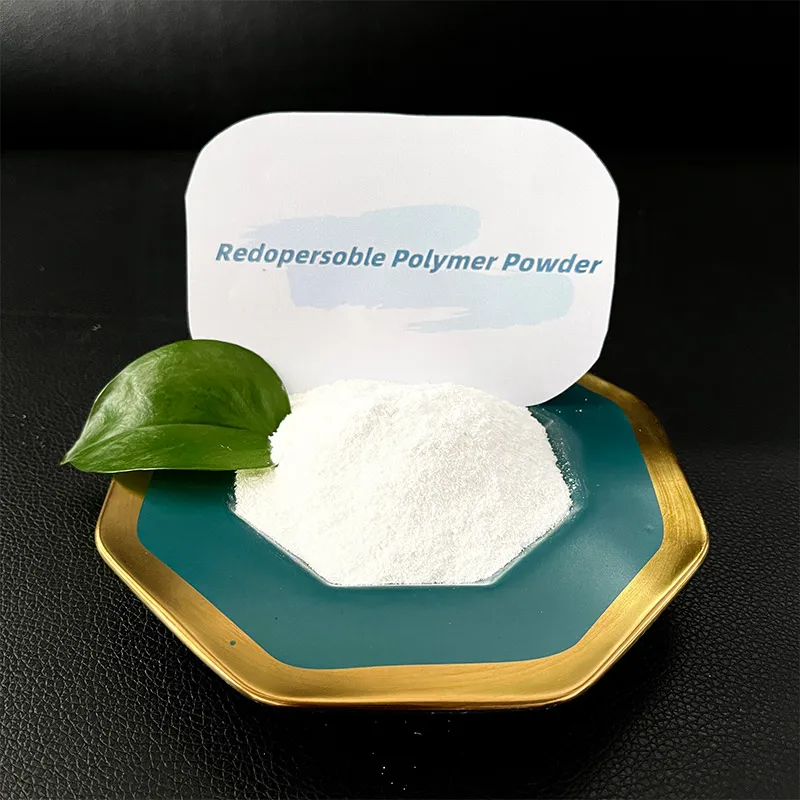
Acid-modified starch, an innovative alteration of native starch, has garnered attention for its unique properties and versatile applications in various industries. Derived from botanical sources such as corn, potato, or tapioca, the product undergoes controlled acidic treatment to modify the starch granules, enhancing its characteristics to meet specific industrial needs. This process involves reducing the molecular weight of the starch, thereby increasing solubility and altering its gelatinization and viscosity properties. One of the prime benefits of acid-modified starch is its role in the food industry, particularly in the manufacturing of confectionery products. Its ability to form clear, firm gels and to stabilize emulsions makes it indispensable in creating the perfect texture for gummy candies, jellies, and other gelatinous sweets. Unlike native starch, acid-modified starch doesn't break down under high temperatures, making it ideal for processes that require cooking or heating, without compromising the quality or appearance of the final product. Beyond confectionery, acid-modified starch plays a critical role in the paper industry . It acts as a surface sizing agent, enhancing the strength and printability of paper. This application not only improves the efficiency of ink usage but also contributes to the smoothness and gloss of the paper, which is essential for high-quality print jobs. Additionally, in the textile industry, its film-forming ability helps in improving the fabric's hand feel, adding weight and stiffening materials, which is crucial in specific apparel manufacturing processes. From an environmental perspective, the use of acid-modified starch as a biodegradable and renewable resource stands out, aligning with the global thrust towards sustainability. This positions the starch as a preferable alternative to petroleum-based products, particularly in packaging applications where reduction of environmental impact is highly prioritized. acid modified starch Experts within the chemical modification sector emphasize the significance of precision in the acid modification process. Achieving consistent product quality demands expertise in adjusting treatment parameters such as pH level, reaction time, and temperature. Leading manufacturers who specialize in starch modification employ rigorous quality control measures and leverage advanced technology to ensure the end product meets stringent industry standards, thereby establishing their authority and trustworthiness in the market. The science behind acid-modified starch also extends to its application in pharmaceuticals, where its improved solubility and disintegration properties enhance the bioavailability of active ingredients. This makes it an essential component in the formulation of tablets and capsules, contributing to more efficient drug delivery systems. Industry leaders and researchers continue to explore new frontiers for acid-modified starch, investigating its potential as a carrier for bioactive compounds or as an ingredient in 3D printing edible objects. These innovations underscore the evolving applications and growing importance of this functional ingredient in aligning industry trends with consumer demands. For companies considering the incorporation of acid-modified starch into their product lines, it's vital to collaborate with experienced suppliers who can provide not just high-quality starch but also insights and technical support tailored to specific applications. As the uses of acid-modified starch extend across industries, staying informed and engaging with knowledgeable experts will ensure businesses can harness its full potential effectively and sustainably.
-
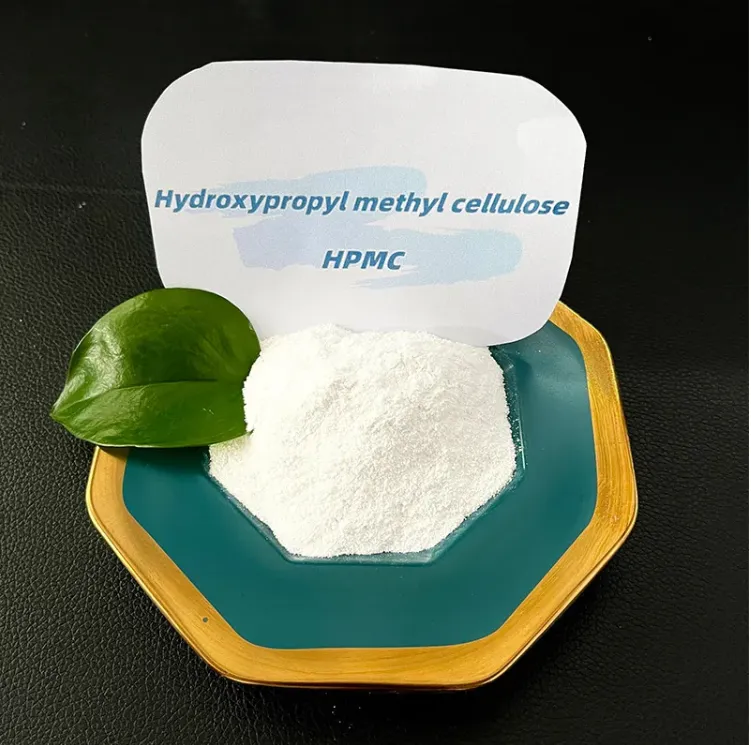
Understanding the viscosity of HPMC E5, or Hydroxypropyl Methylcellulose E5, is crucial for industries ranging from pharmaceuticals to construction. It plays a pivotal role in product formulation, performance, and quality. Viscosity, essentially the measure of a fluid’s resistance to flow, influences the behavior and stability of products comprising HPMC E5. HPMC E5 is renowned for its consistency in viscosity, a property that significantly affects its functionality. In the pharmaceutical industry, for example, the viscosity of HPMC E5 is a determining factor in controlling the release rate of active ingredients in extended-release formulations. This attribute ensures that medications deliver consistent therapeutic benefits over time, contributing to enhanced patient compliance and treatment efficacy. Expertise in handling HPMC E5 requires a deep understanding of how temperature, concentration, and molecular weight influence its viscosity. Research demonstrates that an increase in temperature can reduce the viscosity of HPMC solutions, which in turn impacts the product's stability and performance. Thus, storage and manufacturing conditions need meticulous control to maintain optimal viscosity . Moreover, in the construction industry, HPMC E5's viscosity is crucial for modifying the flow properties of cement-based materials. Its addition enhances the workability and water retention of cement, which is essential for uniform curing and increased strength of the final product. Builders and manufacturers rely on HPMC E5 to improve the consistency and adhesion of various construction materials. A noteworthy aspect is the role of HPMC E5 in the food industry, particularly in dietary products and gluten-free formulations. The viscosity it imparts helps in mimicking the texture and mouthfeel of gluten, offering a satisfactory alternative to traditional wheat products. This not only enhances the sensory attributes but also boosts the nutritional profile by supporting gut health due to its fibrous nature. hpmc e5 viscosity From an authoritative standpoint, understanding the regulatory standards governing HPMC E5 application is vital. Its GRAS (Generally Recognized As Safe) status by the FDA assures its safe use across different industries. Businesses seeking to integrate HPMC E5 into their products must align with regulatory guidelines to capitalize on its benefits while ensuring consumer safety and trust. Practical experience with HPMC E5 highlights the importance of comprehensive testing and quality assurance protocols. These measures are imperative to ensure the consistency of viscosity from batch to batch, which in turn guarantees the reproducibility of product performance. Companies invest in advanced rheological studies to tailor HPMC E5 solutions that meet specific viscosity requirements for diverse applications. Trustworthiness in implementing HPMC E5-related solutions comes from empirical evidence and successful case studies. Companies document and share real-world applications and outcomes where controlling viscosity with HPMC E5 has led to significant improvements in product quality. These documented experiences serve as a foundation of trust for stakeholders evaluating the incorporation of HPMC E5 in their product lines. In summary, HPMC E5 viscosity is a cornerstone attribute that impacts multiple facets of product development across various industries. Mastery in managing its viscosity enhances the functionality and efficacy of pharmaceutical formulations, improves construction material properties, and optimizes the sensory and functional characteristics of food products. Its well-documented safety and regulatory approval further bolster its credibility, making HPMC E5 a valuable asset in innovative product development.
advantages
-

200000 Viscosities
Excellent product
We can produce pure products up to 200,000 viscosities
-

40000 tons
High yield
We don’t stop production all year round, and the annual output can reach 40,000 tons
-

24 hours
Quality service
We provide 24-hours online reception service, welcome to consult at any time
———— Inquiry Form
Schedule A services
-
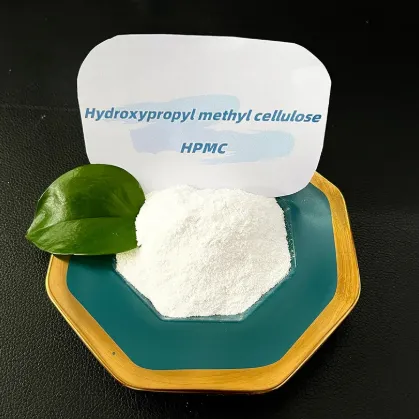
 precio_de_la_metilcelulosa
Oct . 25, 2025
Hydroxypropyl methylcellulose (HPMC) is an exceptional multifunctional ingredient that finds various -
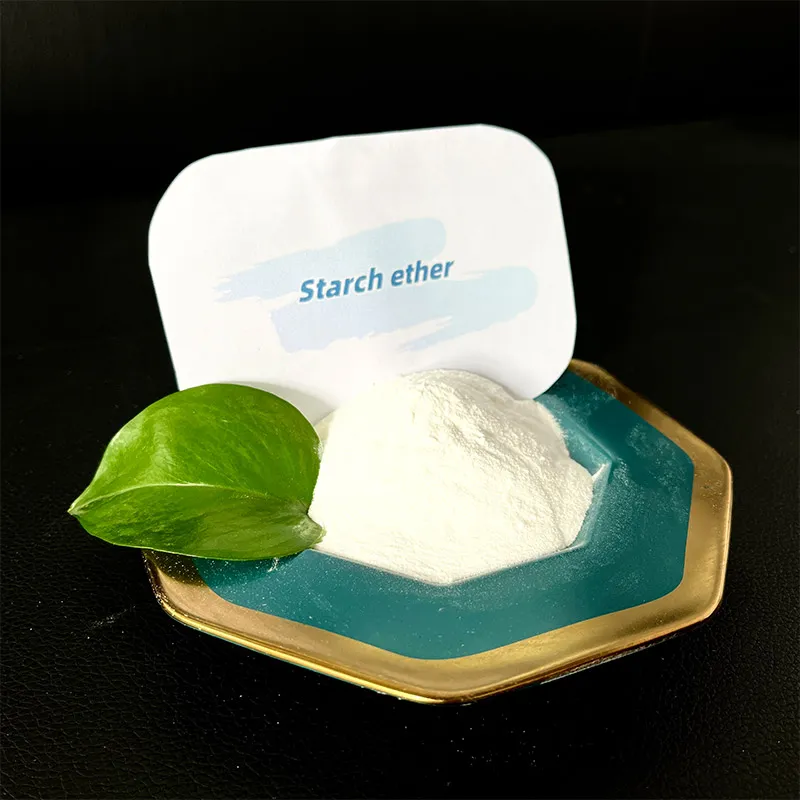
 styrene_butadiene_rubber_powder
Oct . 25, 2025
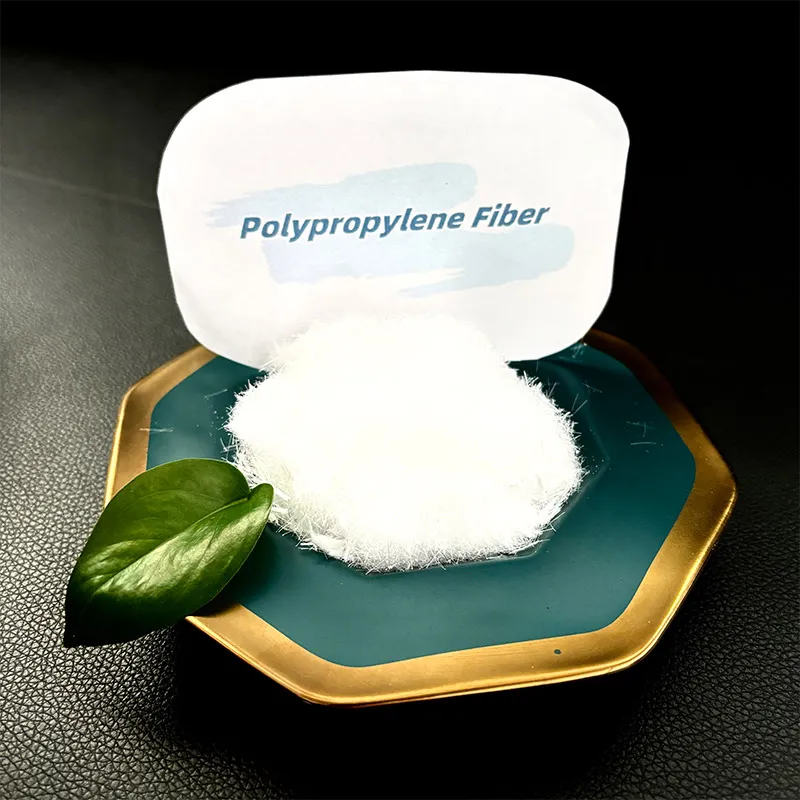
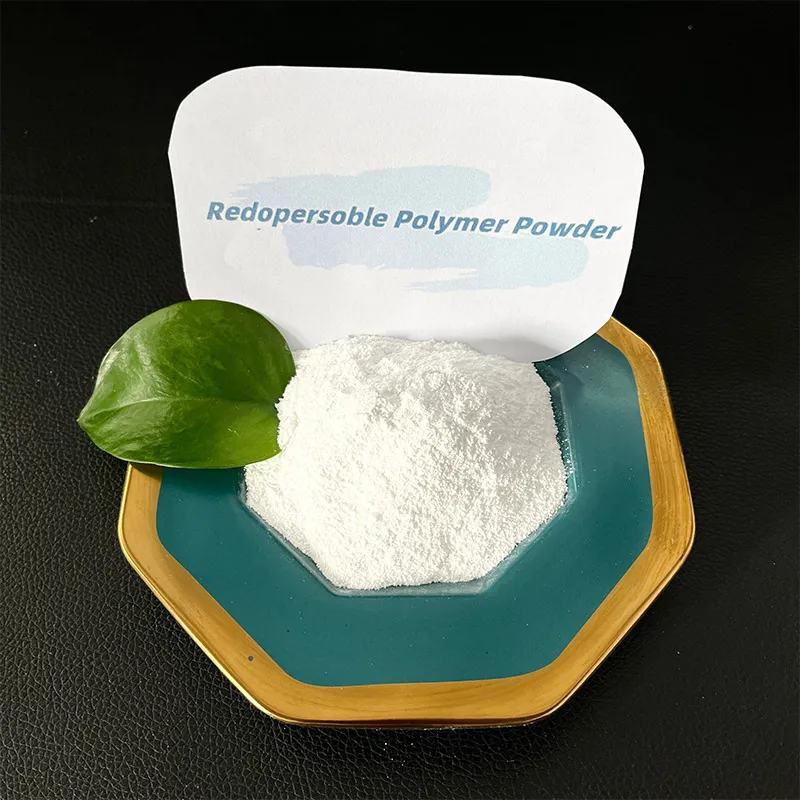
Polypropylene fiber is an innovative material that significantly enhances the performance characteri -
 mikrofiber_sintetis
Oct . 25, 2025
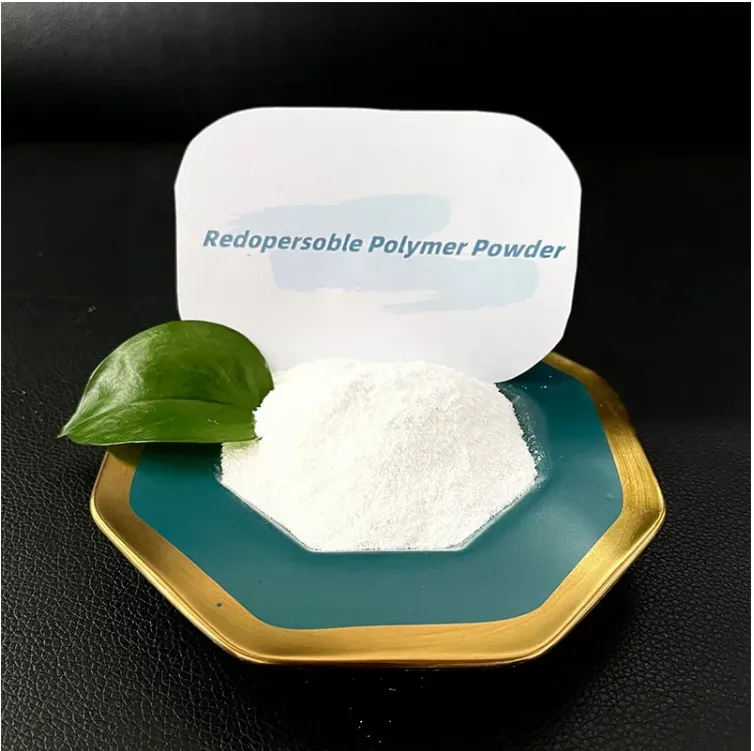
In the vast landscape of chemical manufacturing, Hydroxypropyl Methylcellulose (HPMC) stands out as


